Home / Guides / Construction security
Construction site security in Houston
A site is most exposed when the crew has gone home. Good coverage controls the gate, watches the equipment yard and keeps a record of who came and went.
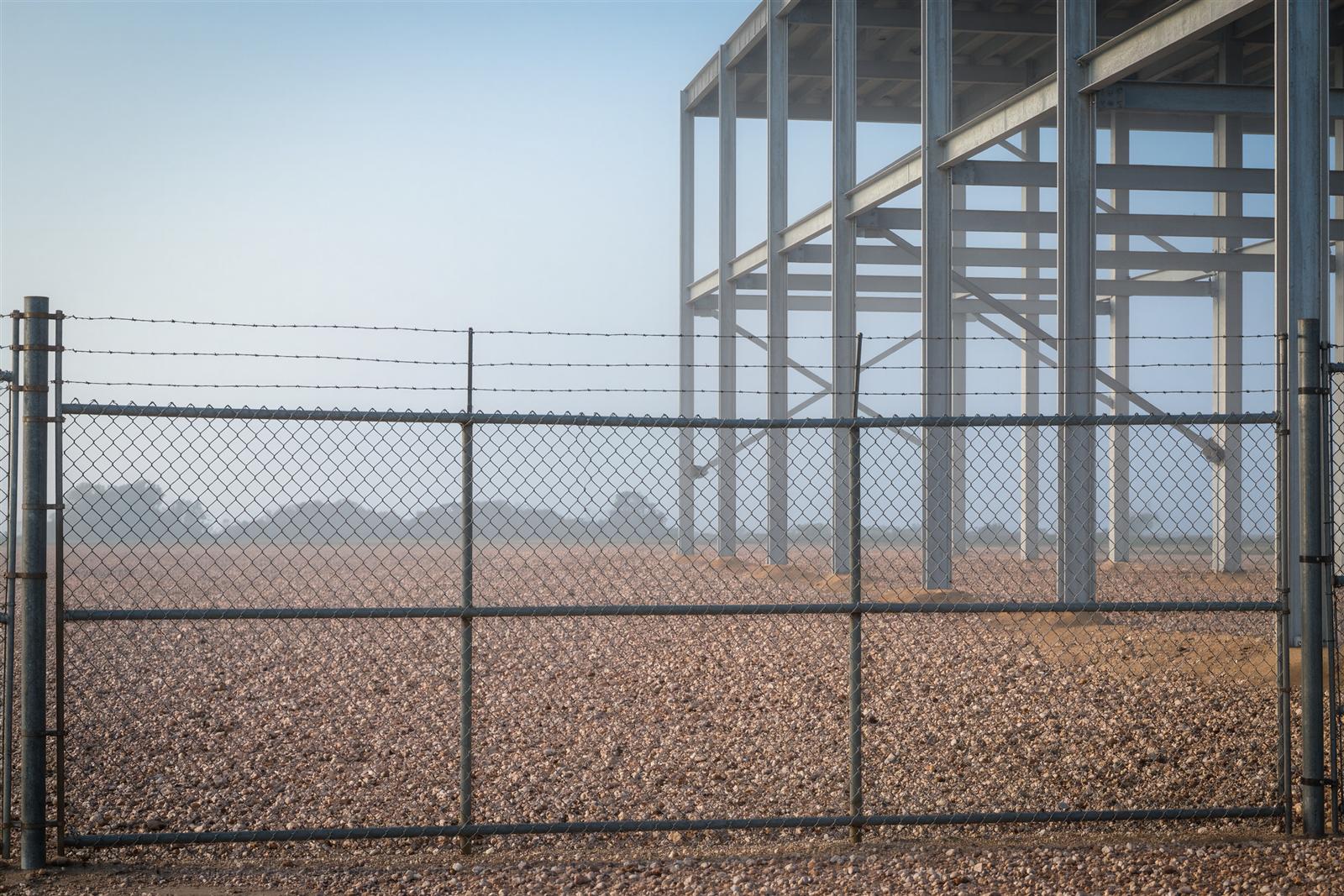
Why sites need coverage after hours
Construction sites hold valuable things in open air: tools, copper, fuel, generators and heavy equipment. The crew leaves each evening, but the materials stay. A fence and a lock are the first layer, and a person who checks the gate, walks the yard and logs vehicles is the second.
Houston adds its own pressures. Large projects often sit at the edge of the city where a site is long, flat and easy to approach from several sides, and weather can close a site for days, leaving it unattended when the access roads are quiet.
Gate control and the entry log
The gate is where most of the value in a site guard sits. An officer at the gate confirms who is allowed in, records the plate and time of delivery trucks, and turns away anyone without a reason to be there. The log becomes the record you rely on if materials go missing, because it shows who was on site and when.
Ask the company how the log is kept, who sees it and how fast you can have a copy. A gate post can run only during deliveries and shift changes, or around the clock, depending on the risk and the budget.
Overnight watch, patrol and fire watch
For an overnight shift you can choose a stationary officer in a post, a patrol that walks the perimeter, or a vehicle that drives the boundary. Several Houston firms offer construction site security, and some also offer fire watch, a service that places an officer to watch for fire when a building's normal protection is not in service. Ask any company whether it provides fire watch and how it documents the rounds.
If your site is a cluster of small projects, a mobile patrol that visits each at irregular times can work better than posting a person at every one. The mobile patrol guide explains the trade.
Matching the post to the phase
Risk changes as a building rises. In the early grading phase equipment is the target. During framing, lumber and steel attract thieves. Once a building is closed in, tools, appliances and fixtures are on site. Tell the company which phase you are in and how long it will last, so the quote matches a contract term you can end when the site is complete.
Checks before the contract
Look the company up in the DPS license search, ask whether the post is armed or unarmed, and read the termination terms in the contracts guide. For a break-in or theft in progress, call 911, and share the site log with the responding officers.
The cost of a missed night
A single night of unwatched equipment can set a project back by days if a generator, a trailer of tools or a load of copper goes missing. The problem is the delay as much as the price, because crews wait while replacements are ordered and insurance questions are sorted. Coverage that logs the gate and walks the yard is how a contractor protects the schedule, and it is a short, specific line in the budget.
Questions Houston buyers ask
Is a fence enough for a Houston construction site?
A fence slows entry but does not record it. A guard at the gate adds a person and a log, which helps with deterrence and with insurance questions about missing materials.
What is a fire watch?
Fire watch is a service in which an officer watches for fire at a building or site where normal fire protection is not available or is out of service. Ask a company whether it offers it and how it documents each round.
Should the guard be armed?
Most sites start with unarmed officers who control the gate and report. An armed post is a separate decision and requires a commissioned officer under Texas law.
How long does a site contract run?
It should match the phase of the project. Ask for a short initial term with a notice period that lets you end coverage when the building is occupied.
Who sees the entry log?
You should. Ask the company how it delivers the log and how quickly you can request a copy after an incident.